Transform Your Living Room Into a Luxury Retreat in 2026: The Ultimate Expert Guide
Discover the most sought-after interior design trends dominating luxury homes this year. From biophilic design elements to statement lighting, layered textures, and curated art collections, we reveal exactly how top designers create living rooms that are both breathtakingly beautiful and deeply livable — spaces that truly feel like home.
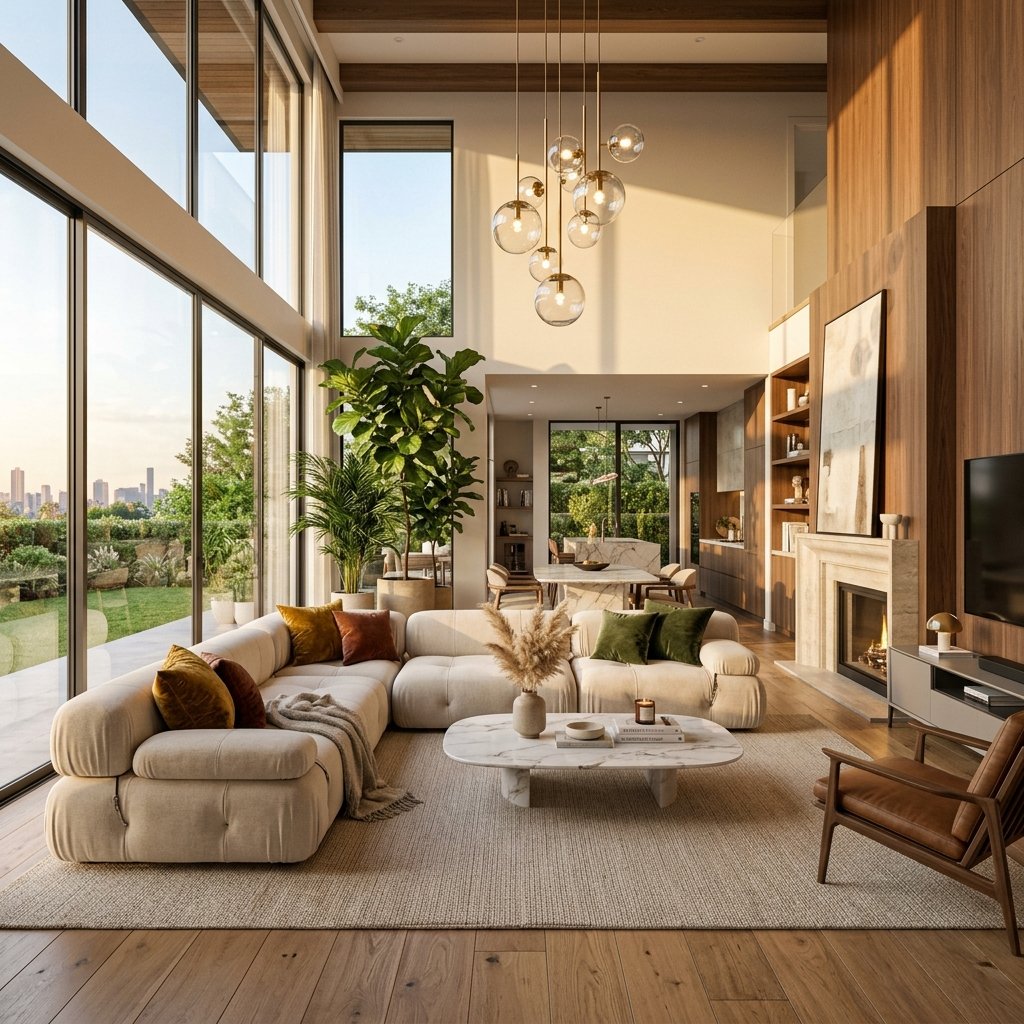
Table of Contents
- Why Your Living Room Deserves a Luxury Upgrade
- 1. Embrace Biophilic Design — Bring Nature Indoors
- 2. Master the Art of Layered Lighting
- 3. Invest in Premium, Natural Materials
- 4. Perfect Your Color Palette with the 60-30-10 Rule
- 5. Choose Statement Furniture as Sculptural Centrepieces
- 6. Curate Art and Accessories with Intention
- 7. Integrate Smart Home Technology Seamlessly
- Final Thoughts: Your Luxury Living Room Journey
Why Your Living Room Deserves a Luxury Upgrade
The living room is the soul of every home. It is where families gather, where guests form their first impressions, and where you retreat after a long day to decompress and reconnect with yourself. Yet, despite its central importance, many homeowners treat it as an afterthought — filling it with mismatched furniture purchased at different times, hanging art without intention, and accepting mediocre lighting that drains the energy from the space.
The luxury living rooms you admire in architectural magazines and high-end interior design portfolios are not the product of astronomical budgets alone. They are the result of deliberate decision-making, a deep understanding of design principles, and a commitment to quality over quantity. The good news? You can apply the same principles in your own home, regardless of your budget.
In 2026, the definition of luxury has evolved significantly. It is no longer purely about expensive materials and designer labels. Today's most coveted living rooms are those that feel personal, considered, and deeply human — spaces where natural light is optimized, where every object serves a purpose, and where the overall atmosphere makes you exhale deeply the moment you walk in.
"A truly luxurious living room isn't about what you put in — it's about the experience you create. Every element should contribute to a feeling of calm, beauty, and belonging."
1. Embrace Biophilic Design — Bring Nature Indoors
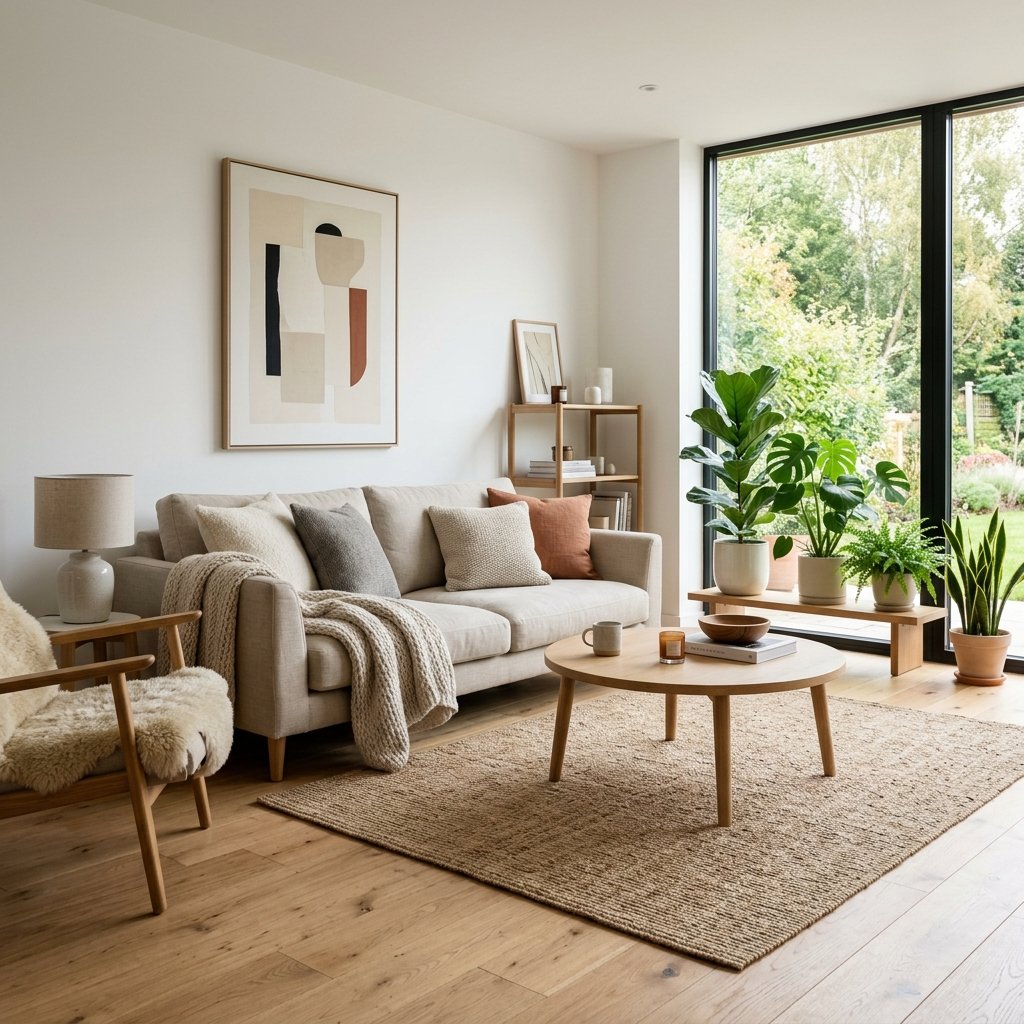
Biophilic design — the practice of incorporating natural elements into built environments — has moved from a niche architectural theory to the dominant force in luxury interior design. The reason is simple and scientifically validated: humans are hardwired to feel better in the presence of nature. Studies from the University of Queensland show that interior plants reduce psychological stress by up to 37% and increase feelings of well-being by 44%.
Plants as Design Elements
Forget the single potted fern in the corner. In truly luxurious living rooms, plants are used with the same intention as fine art. Tall fiddle-leaf figs (Ficus lyrata) positioned in architectural corners create dramatic vertical interest. Trailing pothos plants cascade from floating shelves, adding movement and softness to hard surfaces. Large-leaf monstera plants behind sofas create lush, almost tropical backdrops that photography brilliantly.
The key is grouping plants in odd numbers — typically three or five — and varying their heights dramatically. A 1.8-metre floor plant paired with a mid-height tabletop plant and a small cascading plant creates a layered, natural landscape within the room.
Natural Materials and Textures
Biophilic design extends well beyond live plants. Incorporate natural stone surfaces — whether as a statement fireplace surround, a coffee table in travertine, or a marble side table. Raw wood grain in furniture, whether solid walnut, aged oak, or sustainable bamboo, adds warmth and organic variation that manufactured materials simply cannot replicate.
Water features, though less common, are experiencing a significant resurgence in luxury residential design. A small tabletop water fountain or an incorporated wall water feature creates ambient sound that is profoundly calming — essentially bringing the experience of a forest stream or garden pond into your living space.
2. Master the Art of Layered Lighting
If there is a single change that will have the most dramatic impact on the perceived luxury of your living room, it is improving your lighting design. The vast majority of homes rely entirely on a single overhead light source — a central ceiling fixture that floods the room with flat, unflattering illumination that kills atmosphere and makes every surface look equally unremarkable.
Professional interior designers and lighting consultants approach every room with a three-layer strategy:
Layer 1: Ambient Lighting
This is the foundation — the overall illumination of the space. Rather than a single harsh overhead fixture, luxury living rooms use multiple ambient sources: recessed downlights with dimmers, cove lighting hidden in architectural reveals, and LED strip lighting behind floating joinery or under floating shelves. The goal is to create a general glow that has no obvious single source — an ethereal quality that feels sophisticated rather than practical.
Layer 2: Task Lighting
Task lighting serves specific functional purposes: reading lamps beside sofas and armchairs, directional spotlights aimed at artwork, and focused lighting over dining tables or work areas within the living space. In luxury interiors, task lights are also chosen for their sculptural quality — a beautifully designed arc floor lamp becomes a focal point even when switched off.
Layer 3: Accent and Decorative Lighting
This final layer is where the magic happens. Accent lighting draws attention to architectural details, collections of art or objects, and textural surfaces. Picture lights illuminate art with warm precision. Backlit onyx panels glow with otherworldly beauty. Candles — real or LED — create the kind of flickering warmth that no electric source can fully replicate.
The transformation that a comprehensive lighting design makes cannot be overstated. The same room with poor lighting feels ordinary. With expert layered lighting, it becomes extraordinary, different at every hour of the day and evening.
3. Invest in Premium, Natural Materials
In luxury interior design, materials are everything. The difference between a living room that feels merely nice and one that feels genuinely extraordinary often comes down to the quality and authenticity of the materials used. In 2026, the emphasis is strongly on natural, sustainably sourced materials with rich inherent variation — materials that only improve and develop character with time.
Marble and Stone: Whether as a fireplace surround, a coffee table, or decorative objects, marble's natural veining creates unparalleled visual complexity. Each slab is unique — a quality that mass-produced materials can never match. Consider Calacatta Viola for dramatic purple-grey veining, Carrara for classic Italian elegance, or Travertine for a warmer, more rustic sophistication.
Solid Wood: Avoid veneer wherever possible and invest in solid wood furniture pieces that will last generations. Walnut offers rich chocolate tones, aged oak provides warmth and history, and bleached oak creates that sought-after Scandinavian-meets-California aesthetic that dominates luxury design in 2026.
Natural Textiles: Linen, silk, cashmere, wool, and cotton are the fabrics of luxury living. Linen sofas and curtains age beautifully and provide a relaxed, effortless quality. Cashmere and wool throws add tactile luxury that encourages touch. Silk cushions and lampshades catch and reflect light in ways synthetic materials cannot.
Handmade Ceramics and Glass: Mass-produced decorative objects create a soulless, catalogue-page aesthetic. Replace them with handmade ceramics, mouth-blown glass vases, and artisan objects that carry the subtle imperfections of human craft — qualities that make a space feel genuinely curated rather than simply purchased.
4. Perfect Your Color Palette with the 60-30-10 Rule
Color is one of the most powerful design tools available, yet it is also one of the most misused. Many homeowners either play it excessively safe — painting everything white and choosing universally beige furniture — or go too bold in ways that quickly feel dated and visually fatiguing.
The 60-30-10 rule, used by professional interior designers for decades, provides a reliable framework for creating color balance in any room:
- 60% Dominant Color: The main tone used for walls, large upholstered pieces, and floor coverings. In 2026, this is most commonly a warm off-white (such as Farrow & Ball's 'Lime White' or Benjamin Moore's 'White Dove'), a sophisticated warm grey, or a rich earthy terracotta for bolder spaces.
- 30% Secondary Color: Used for accent furniture (armchairs, ottomans), curtains, and large art pieces. This color should complement and enhance the dominant tone — think dusty sage green against warm white, or cognac leather against charcoal.
- 10% Accent Color: Used sparingly in cushions, throws, small decorative objects, vases, and lamp bases. This is where you can introduce your boldest and most personal colour choice — a deep cobalt blue, a rich emerald, or polished brass and gold metallics that add warmth and depth.
In 2026, the most coveted color palettes for luxury living rooms lean toward warm, earthy tones — cream, camel, terracotta, dusty rose — punctuated with deep jewel accents and rich natural wood tones. The cool grey minimalism of the previous decade has given way to a warmer, more nurturing aesthetic that prioritizes comfort and emotional resonance.
5. Choose Statement Furniture as Sculptural Centrepieces
The cornerstone of any luxury living room is its furniture — specifically, how the key pieces are selected and arranged to create both beauty and function. In high-end interiors, furniture is never simply chosen for practicality; it is selected for its visual impact, its quality of construction, and its ability to contribute to the overall narrative of the space.
The Sofa: Your Room's Anchor
In a living room, the sofa is typically the largest single piece of furniture and sets the tone for everything else. For a luxury aesthetic, look for sofas with generous proportions — deep seats, high backs, and substantial cushioning that telegraphs quality and comfort. Upholstery in natural linen, performance velvet, or bouclé fabric adds textural interest that plain cotton cannot provide.
Consider having your sofa custom-upholstered, even if the base frame is from a mid-range retailer. Custom upholstery dramatically elevates the perceived quality and allows you to choose a fabric and color that is specific to your space rather than whatever happens to be in stock.
Coffee Tables: Functional Sculpture
The coffee table is the living room's most scrutinized piece — it sits at the visual center of the seating arrangement and is viewed from every angle. In luxury interiors, coffee tables are chosen for their sculptural qualities: a single slab of live-edge wood on a blackened steel base, a stack of two travertine squares at different heights, or a round brass-and-glass table that reflects the room's light sources and creates visual lightness.
6. Curate Art and Accessories with Intention
Nothing distinguishes a truly luxurious living room from a merely expensive one quite like the quality and thoughtfulness of its art and accessories. Mass-produced wall art from home furnishing chains — however beautifully framed — creates a generic quality that instantly undermines any sense of authentic luxury.
Invest in original art, even if it means purchasing smaller works or prints from emerging artists rather than established names. An original oil painting, even by an unknown artist, brings a quality of authenticity and energy that a reproduction can never match. Look for art at local gallery shows, art fairs, and online platforms like Saatchi Art or Artsy, which provide access to thousands of original works at a wide range of price points.
When styling accessories on shelves and tables, designers use a technique called 'edit and layer' — starting with too many objects and gradually removing until only those that genuinely contribute to the composition remain. Group objects in odd numbers (three or five items), vary their heights significantly, and ensure a mix of textures and materials — a ceramic vase beside a metal sculpture beside a stack of beautiful books beside a small framed photograph.
7. Integrate Smart Home Technology Seamlessly
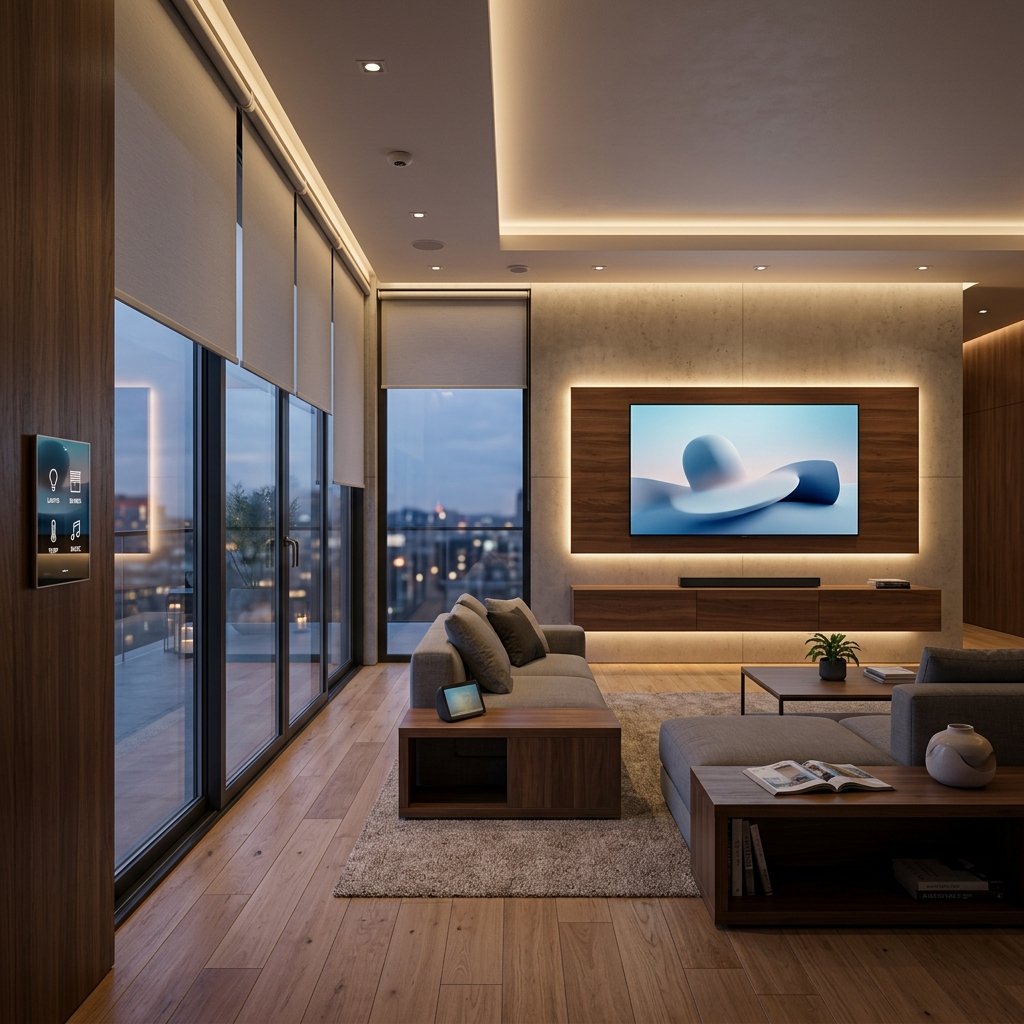
In 2026, truly luxury living rooms incorporate smart home technology not as a flashy add-on, but as a seamlessly integrated layer that enhances every aspect of daily life without ever feeling conspicuous. The best smart home integrations are invisible when not in use and effortlessly intuitive when engaged.
Key systems to consider: motorized blackout blinds that respond to sunrise and sunset automatically, smart lighting scenes that shift the room's atmosphere from energizing morning white light to warm evening candlelight with a single voice command, and hidden audio systems with in-ceiling or in-wall speakers that deliver concert-quality sound without compromising the room's visual aesthetic.
Program "scenes" that transform the room instantly — a "Movie Night" scene that dims all lights to 15%, draws the blinds, and activates the fireplace; a "Dinner Party" scene that brings lighting to 60%, plays background music, and sets the thermostat to the optimal hosting temperature. This level of control and automation elevates the everyday living experience in ways that feel genuinely magical.
Final Thoughts: Your Luxury Living Room Journey
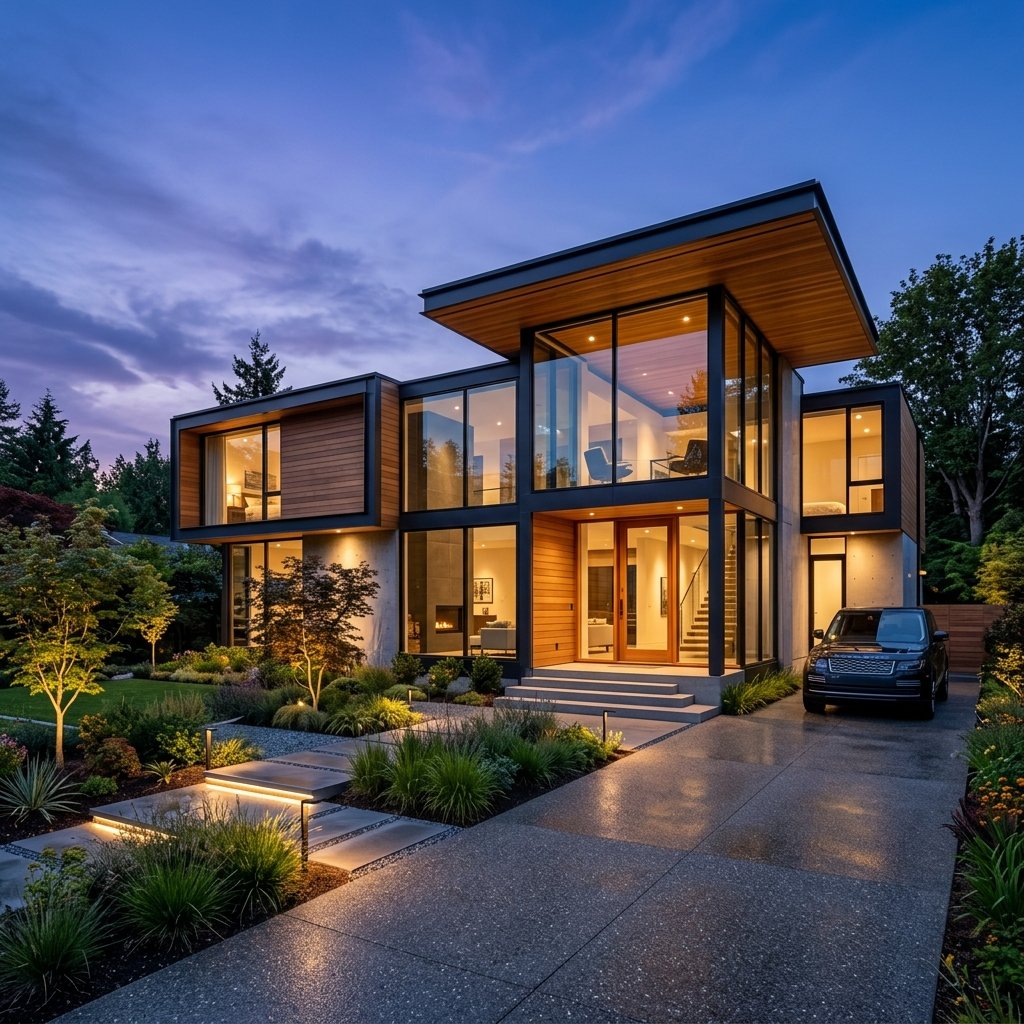
Creating a truly luxurious living room is not a project that needs to be completed all at once. In fact, the most extraordinary interiors are those that have been assembled thoughtfully over time, with each addition considered carefully for how it contributes to the whole. Start with the fundamentals — your lighting design, your color palette, and your key furniture pieces — and build from there.
Remember that genuine luxury is not about spending the most money, but about making the most intentional choices. A room filled with carefully selected, meaningful objects, bathed in beautifully layered light, rich with natural textures and living plants, will always feel more luxurious than a space filled with expensive items chosen without thought or cohesion.
Your living room should tell your story — it should reflect who you are, what you love, and how you want to feel at home. When your space achieves this level of personal authenticity, it achieves something far more valuable than any design magazine spread: it becomes a place you genuinely, deeply love to be.
Key Takeaways
- Use biophilic design — plants, natural materials, and water features — to create calm and connection
- Layer ambient, task, and accent lighting with dimmers for maximum atmosphere control
- Invest in premium natural materials: marble, solid wood, linen, and handmade ceramics
- Apply the 60-30-10 color rule for balanced, sophisticated palettes
- Choose furniture for its sculptural quality, not just function
- Curate art and accessories with intention — edit ruthlessly
- Integrate smart home systems invisibly for effortless luxury living